How I Turned My Hobby Into a Smarter Investment Mindset
What if the things you love doing could also make you financially sharper? I used to see my hobbies as pure leisure—until I realized they were secretly shaping my approach to money. It wasn’t about monetizing passions, but about how engaging deeply in a hobby builds patience, research skills, and long-term thinking. These are the same traits that top investors rely on. This shift didn’t just change how I spend my free time—it changed how I invest. The quiet hours spent tending to a garden, restoring old furniture, or mastering a musical instrument weren’t just escapes from daily life. They were, in fact, training grounds for discipline, resilience, and strategic thinking. Over time, I began to notice patterns—how my habits in one area quietly improved my decisions in another. This is not about turning a pastime into a side hustle. It’s about recognizing that the mindset built through sustained, thoughtful engagement in a hobby can become one of the most powerful tools in personal finance.
The Hidden Financial Power of Hobbies
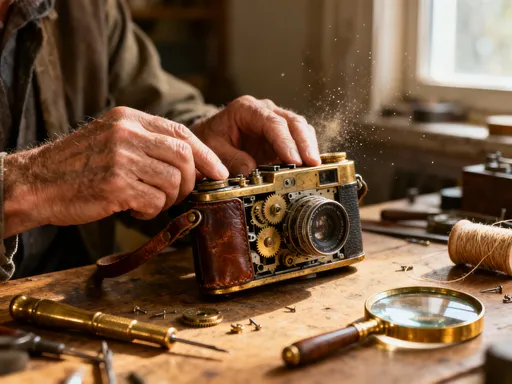
At first glance, hobbies appear to be nothing more than enjoyable distractions—ways to unwind after work or fill weekends with purpose. Yet beneath the surface, they often function as subtle training programs for financial intelligence. Whether someone is cultivating a collection of vintage watches, learning to knit intricate patterns, or building model trains, the mental habits formed in these activities mirror core principles of sound financial management. The process of selecting, maintaining, and growing a hobby demands attention to detail, consistency, and a sense of progression—qualities directly transferable to investing and wealth accumulation.
Consider the hobbyist who spends months tracking down a rare edition of a classic book. That pursuit involves research, comparison shopping, and the ability to assess value beyond face price. These are the same skills used when evaluating a stock or choosing a mutual fund. The collector learns to distinguish between hype and genuine worth, to wait for the right opportunity, and to resist impulsive purchases. Similarly, a gardener who plans seasonal plantings is practicing foresight and resource allocation. Each decision—what to plant, when to water, how to rotate crops—is a small act of strategic planning. Over time, these repeated decisions build cognitive frameworks that naturally extend into financial behavior.
What makes this transformation so effective is its invisibility. Unlike formal financial education, which can feel abstract or intimidating, hobby-based learning happens organically. There’s no pressure to memorize terms like “compound interest” or “asset allocation.” Instead, the individual absorbs these concepts through experience. A woodworker who budgets for tools and materials begins to understand cost-benefit analysis. A photographer who upgrades equipment learns about depreciation and opportunity cost. These lessons aren’t taught—they’re lived. And because they’re embedded in personal enjoyment, they stick far longer than textbook knowledge.
Moreover, hobbies often involve tracking progress over time, whether through photos, logs, or simple observation. This reinforces the importance of long-term thinking, a cornerstone of successful investing. When someone sees how a bonsai tree changes over years, or how their painting skills improve with practice, they internalize the power of patience. This mindset shift is crucial in finance, where short-term volatility can derail even well-constructed plans. The person who has nurtured a slow-growing passion project is more likely to stay the course during market downturns, understanding that real growth takes time.
From Passion to Patience: Building Long-Term Thinking
One of the greatest challenges in investing is overcoming the instinct for immediate results. The financial markets are designed to trigger emotional reactions—sharp rises prompt excitement, while sudden drops spark fear. Many investors fall into the trap of reacting to noise rather than strategy, buying high out of optimism and selling low out of panic. But those who engage deeply in long-term hobbies develop a natural resistance to these impulses. Their experience with gradual progress teaches them to trust the process, even when results aren’t immediately visible.
Take the example of someone restoring a classic car. The project may span years. At the beginning, the vehicle might be little more than a rusted shell. Progress is slow—each repaired panel, rewired circuit, or repainted surface represents a small victory. There’s no instant payoff, only incremental improvement. Yet, over time, the transformation becomes undeniable. This kind of engagement rewires the brain’s relationship with effort and reward. The individual learns that meaningful outcomes require sustained commitment, not quick fixes. This mindset is directly applicable to investing, where compound growth unfolds quietly over decades, not days.
Similarly, a musician learning a complex piece of music must practice the same passage repeatedly, often without noticeable improvement for weeks. They must resist the urge to skip ahead or abandon the piece out of frustration. Instead, they learn to focus on the process, trusting that daily effort will eventually yield mastery. This discipline translates seamlessly into portfolio management. An investor with this background is more likely to stay invested through market fluctuations, understanding that short-term dips are part of a larger trajectory. They don’t panic when stocks fall—they see it as a temporary phase, much like a difficult section of music that will eventually be mastered.
Even seemingly simple hobbies, like baking bread or maintaining an aquarium, reinforce long-term thinking. A sourdough starter must be fed regularly, even when not in use. An aquarium requires consistent water testing and maintenance to keep the ecosystem balanced. These routines teach the value of consistency and preventive care—principles that apply equally to retirement savings or emergency funds. When financial setbacks occur, the hobbyist is more likely to respond with calm, systematic adjustments rather than emotional overreactions. Their experience has shown them that stability comes from routine, not reaction.
Research Like a Collector, Invest Like a Pro
Serious hobbyists are, by nature, researchers. Whether they’re verifying the authenticity of a vintage record, comparing lens specifications for photography, or studying soil composition for orchid growing, they develop habits of inquiry and verification. This meticulous approach is not accidental—it’s essential to success in any deep hobby. And it turns out, the same skills are indispensable in intelligent investing.
Imagine a stamp collector trying to determine the value of a rare issue. They don’t rely on a single source. Instead, they consult catalogs, check auction records, compare condition grades, and verify provenance. They understand that small details—a watermark, a perforation pattern—can dramatically affect worth. This level of due diligence is exactly what’s needed when evaluating an investment. A stock isn’t just a ticker symbol; it represents a company with financials, management, competitive advantages, and industry trends. The collector’s mindset—asking questions, cross-referencing data, seeking expert opinions—prepares someone to analyze investments with depth and caution.
Moreover, hobbyists become adept at identifying reliable sources. In online forums, not every voice carries equal weight. Over time, they learn to distinguish between anecdotal opinions and evidence-based insights. They recognize which contributors have track records of accuracy and which ones spread misinformation. This ability to assess source credibility is critical in finance, where misleading headlines and speculative commentary can distort reality. An investor trained in hobby research is less likely to be swayed by viral financial trends or social media hype. They know how to dig deeper, to find primary data, and to make decisions based on facts rather than emotion.
Another key skill developed through hobby research is trend analysis. A vinyl record collector, for instance, might notice that certain genres are gaining popularity among younger buyers, signaling future demand. They observe patterns—how reissues perform, how artist anniversaries affect prices—and use that insight to guide purchases. This mirrors the way professional investors analyze market trends, consumer behavior, and economic cycles. The collector isn’t thinking in financial terms, but they’re practicing the same cognitive process: observing data, identifying patterns, and making forward-looking decisions. When applied to investing, this habit allows for more informed choices, reducing reliance on guesswork or impulse.
Risk Management Through Trial and Error
No hobby is free from mistakes. Every enthusiast has stories of missteps—buying the wrong part, misjudging a repair cost, or underestimating the time required for a project. These errors, while frustrating, serve a vital purpose: they are low-stakes training grounds for risk management. Unlike financial losses, which can have serious consequences, hobby-related failures are often recoverable, even educational. They allow individuals to experiment, learn, and refine their judgment without endangering their financial stability.
Consider a homebrewer who miscalculates fermentation temperature, resulting in a batch of beer that’s undrinkable. The loss is small—ingredients and time—but the lesson is significant. They learn to monitor conditions more closely, to double-check procedures, and to anticipate variables. This kind of hands-on learning builds a mindset of preparedness. When applied to finance, it translates into better decision-making: checking fees before opening an account, reading the fine print on loans, or diversifying investments to avoid overexposure. The person who has faced small failures in their hobby is less likely to make large, preventable mistakes with money.
Additionally, hobbies teach the value of testing and iteration. A potter doesn’t expect perfection on the first try. They experiment with clay types, glazes, and firing techniques, adjusting based on results. This iterative process fosters resilience and adaptability—traits essential for navigating financial uncertainty. When markets shift or unexpected expenses arise, the hobbyist is more likely to respond with adjustment rather than despair. They’ve learned that setbacks are not endpoints but feedback loops, offering information for improvement.
Over time, this builds a calm, strategic approach to risk. Instead of avoiding all uncertainty—a recipe for stagnation—they learn to take calculated risks. A gardener who tries a new crop knows there’s no guarantee of success, but they weigh the potential rewards against the cost of failure. They might start with a small plot, monitor growth, and scale up only if conditions are favorable. This mirrors prudent investing: starting with a small position in a new asset, evaluating performance, and increasing exposure gradually. The habit of scaling carefully, based on evidence rather than emotion, is one of the most valuable lessons hobbies can teach.
Valuing Assets Beyond Price Tags
In the world of hobbies, value is rarely just about price. A vintage camera might be worth more for its craftsmanship than its resale potential. A hand-knitted sweater carries sentimental worth that no price tag can reflect. Collectors, artisans, and enthusiasts learn to assess worth through multiple lenses—condition, rarity, historical significance, and personal meaning. This nuanced understanding of value is a powerful antidote to the emotional volatility that often plagues financial decision-making.
When investors focus solely on market prices, they become vulnerable to fear and greed. A stock that drops 20% in a week may trigger panic, even if the company’s fundamentals remain strong. But someone trained in hobby valuation thinks differently. They ask: What is the intrinsic value? What factors contribute to long-term worth? Is this a temporary fluctuation or a structural decline? These are the same questions value investors like Warren Buffett have used to build lasting wealth. The hobbyist, through years of evaluating non-financial assets, has already internalized this mindset.
For example, a book collector doesn’t sell a rare first edition just because the market dips. They understand that true value lies in scarcity, condition, and demand over time. They’re not swayed by short-term price movements. This perspective helps them avoid reactive decisions—just as it helps investors hold quality assets through market cycles. They’ve learned that real worth is not determined by daily quotes but by deeper, more enduring factors.
This mindset also reduces susceptibility to marketing hype. In both hobbies and finance, there are always “hot” items—limited editions, trending stocks, viral investments. But the seasoned hobbyist knows that popularity doesn’t equal value. They’ve seen fads come and go, and they’ve learned to distinguish between lasting quality and temporary excitement. This skepticism protects them from speculative bubbles, whether in collectibles or cryptocurrencies. They invest based on fundamentals, not frenzy.
Budgeting for Joy Without Breaking the Bank
Passion projects cost money. Whether it’s camera gear, art supplies, or woodworking tools, hobbies require spending. But unlike impulsive retail therapy, hobby-related purchases are often deliberate and meaningful. This creates a unique opportunity to practice intentional budgeting—the art of spending with purpose. Seasoned hobbyists become skilled at prioritizing, comparing options, and waiting for the right moment to buy. These habits directly support financial health.
Many hobbyists follow an unspoken rule: quality over quantity. They’d rather save for a single high-performance lens than buy three cheaper ones that won’t last. This reflects a long-term cost-benefit analysis—understanding that a higher upfront cost can lead to greater value over time. The same logic applies to financial decisions, such as choosing a low-cost index fund over a high-fee alternative, or investing in energy-efficient home upgrades. The mindset is not about minimizing spending, but about maximizing value.
Budgeting for a hobby also teaches delayed gratification. A quilter might set aside a fixed amount each month toward a new sewing machine. They track their progress, celebrate milestones, and avoid overspending elsewhere to stay on target. This mirrors the discipline of saving for retirement or building an emergency fund. The difference is emotional engagement—the hobby provides motivation, making the process feel rewarding rather than restrictive. This positive reinforcement strengthens financial habits, making them more sustainable.
Furthermore, managing hobby expenses increases awareness of cash flow. When funds are limited, choices must be made. Do I buy new yarn this month, or save for a workshop next quarter? These small decisions build financial self-awareness, helping individuals recognize patterns in their spending. Over time, they become more intentional not just in their hobby, but in all areas of life. They start asking: Is this purchase aligned with my values? Does it contribute to long-term goals? This reflective approach reduces impulsive spending and supports wealth-building behaviors.
The Mindset Shift That Changes Everything
The true transformation doesn’t come from monetizing a hobby. It comes from allowing it to reshape the way you think about money. When leisure is no longer seen as separate from learning, every activity becomes a potential teacher. The patience learned from gardening, the research skills honed through collecting, the risk awareness built through trial and error—these are not just personal strengths. They are financial assets.
This mindset shift is subtle but profound. It moves the focus from chasing returns to cultivating wisdom. Instead of asking, “How can I make more money?” the question becomes, “How can I make better decisions?” That change in perspective reduces anxiety and increases clarity. Investing no longer feels like gambling or speculation. It feels like an extension of thoughtful living.
Over time, this leads to greater confidence. The person who has managed a complex hobby knows they can handle complexity in finance. They’ve solved problems, adapted to setbacks, and seen long-term projects succeed. These experiences build self-trust—the belief that they can navigate uncertainty with skill and calm. That confidence is perhaps the most valuable outcome of all.
In the end, the goal is not to turn every hobby into a profit center. It’s to recognize that the qualities developed through passionate engagement—curiosity, discipline, resilience—are the very foundation of financial well-being. When approached with intention, a hobby becomes more than a pastime. It becomes a quiet mentor, shaping a smarter, calmer, and more capable investor—one thoughtful decision at a time.