Glowing Skin at 40: What I Learned from Years of Trial and Error
Aging doesn’t have to mean dull skin and endless products. After years of experimenting, I discovered that long-term skincare isn’t about quick fixes—it’s about consistency, self-awareness, and habits that support both skin health and overall well-being. This journey transformed not just my complexion, but my confidence and daily quality of life. What began as a personal struggle with changing skin evolved into a deeper understanding of how the body communicates through its largest organ. The glow I now see isn’t from a single miracle serum, but from choices made day after day—choices rooted in patience, science, and respect for the body’s natural rhythms.
The Wake-Up Call: When My Skin Started Changing
For most of my twenties, my skin seemed to handle anything—late nights, spicy food, new products, even stress at work. Breakouts cleared up quickly, and my complexion stayed relatively even. But around my mid-thirties, subtle shifts began to appear. First, it was a fine line near my eye that didn’t fade after a good night’s sleep. Then, dry patches lingered longer than usual. My skin felt thinner, less resilient, and seemed to react more easily to products I’d used for years without issue.
At first, I responded the way many women do—by adding more products. I bought serums with trendy ingredients, tried chemical exfoliants twice a week, and layered on moisturizers, hoping something would bring back that youthful bounce. But instead of improving, my skin became more sensitive. Redness flared up, and my T-zone alternated between oily and tight. I felt frustrated, even embarrassed, especially when meeting friends who seemed to age more gracefully. It wasn’t vanity—it was a sense of losing control over something that had always felt reliable.
This period marked a turning point. I realized I had been treating my skin reactively rather than preventively. Every new issue prompted a new product, but I wasn’t addressing root causes. I was chasing symptoms, not health. The emotional toll was real: diminished confidence, second-guessing my appearance, and a growing sense of inadequacy. But in that discomfort, I found motivation. I began to ask not just what was happening to my skin, but why. That question shifted everything.
Common signs of skin aging in the late thirties and early forties include reduced elasticity, slower cell turnover, decreased oil production, and increased visibility of sun damage. These changes are natural, influenced by hormonal shifts, cumulative UV exposure, and lifestyle factors. Yet, many women respond by over-treating, layering actives, or switching routines too frequently. The irony is that these efforts often worsen the very issues they aim to fix. True transformation begins not with more products, but with a deeper understanding of skin as a living, responsive organ.
Understanding Skin as a Reflection of Inner Health
One of the most powerful realizations in my journey was learning that skin is not an isolated system. It is deeply connected to what happens inside the body. When I experienced high stress at work, my skin broke out. After a few nights of poor sleep, my under-eyes looked hollow and my tone appeared sallow. Even dietary changes—like eating more processed foods during travel—showed up as dullness and congestion. These patterns weren’t coincidences. They were signals.
Scientifically, the skin functions as a mirror of internal health. Chronic inflammation, often driven by stress, poor diet, or lack of sleep, can manifest as redness, acne, or eczema-like flare-ups. The skin’s barrier—its outermost protective layer—weakens with age and misuse, making it more vulnerable to irritants and moisture loss. Collagen and elastin production begin to decline in the late twenties, accelerating in the forties, which contributes to fine lines and sagging. Meanwhile, years of UV exposure accumulate, leading to uneven pigmentation and loss of firmness.
But here’s the good news: unlike genetic factors, many of these internal influences are modifiable. You can’t stop time, but you can support your skin’s resilience through daily choices. For example, consistent hydration helps maintain the skin’s moisture barrier. Quality sleep supports cellular repair and regeneration. Managing stress reduces cortisol levels, which in turn lowers inflammation. Nutrition—particularly intake of antioxidants, healthy fats, and vitamins—plays a direct role in skin texture and radiance.
This shift in perspective—from seeing skincare as a cosmetic routine to viewing it as a form of health maintenance—was transformative. Instead of asking, “What product will fix this?” I began asking, “What is my body trying to tell me?” That mindset opened the door to more sustainable, holistic practices. It also reduced the pressure to achieve perfection. My goal was no longer flawless skin, but healthy skin—skin that felt strong, balanced, and responsive.
The Three Pillars of Lasting Skincare: Clean Routine, Consistency, and Care
After years of trial and error, I distilled my skincare into three core principles: a clean routine, consistency, and intentional care. These pillars replaced the chaos of product overload with clarity and purpose. I found that less was not only more manageable—it was more effective.
The first pillar, a clean routine, means using gentle, non-irritating products that support the skin’s natural function. I simplified to three essential steps: cleansing, protecting, and nourishing. In the morning, I use a mild cleanser to remove overnight buildup without stripping the skin. Then, I apply a moisturizer with hydrating ingredients like hyaluronic acid or glycerin. Finally, I never skip sunscreen. Broad-spectrum SPF 30 or higher is the single most effective anti-aging product available, and it’s non-negotiable. At night, I repeat the cleanse, add a targeted treatment like a retinoid or peptide serum, and seal it with a richer moisturizer.
Consistency is the second pillar. Results don’t come from occasional heroics, but from daily repetition. I stopped rotating products weekly and committed to using the same core routine for at least eight to twelve weeks before assessing results. This allowed my skin time to adjust and respond. I noticed improvements not in days, but in months—gradual brightening, reduced redness, and a smoother texture. Consistency also means applying products at the same times each day, which helps regulate the skin’s biological rhythms.
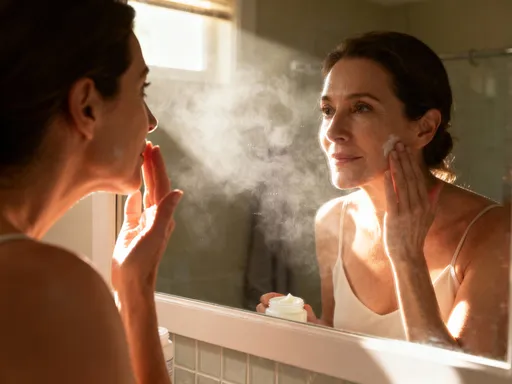
The third pillar, care, is about intention. Skincare became a mindful ritual, not a chore. I take a few extra seconds to massage the products into my skin, not just for absorption, but as a form of self-respect. This small act reminds me that I am worth the time and attention. It’s not about vanity—it’s about honoring my body and showing up for myself every day.
Over time, this approach delivered better results than any complex regimen I’d tried. My skin felt calmer, looked more even, and healed faster from minor irritations. By focusing on these three pillars, I built a foundation that could adapt to seasonal changes, hormonal shifts, and life’s stresses—without collapsing into sensitivity or breakouts.
Lifestyle Shifts That Boost Skin Health
Skincare doesn’t end at the bathroom sink. I learned that what I do outside of my routine has an equal, if not greater, impact on my skin. One of the most significant changes I made was prioritizing sleep. For years, I functioned on six hours or less, believing I could “catch up” on weekends. But my skin told a different story. After committing to seven to eight hours nightly, I noticed a visible difference within two weeks—less puffiness, brighter tone, and fewer breakouts.
Hydration became another cornerstone. I started carrying a reusable water bottle and aimed for at least eight glasses a day. While the body doesn’t absorb water directly into the skin, proper hydration supports circulation and detoxification, both of which influence skin clarity. When dehydrated, the skin can appear dull and feel tight. Drinking enough water helped maintain suppleness and reduced the appearance of fine lines, especially around the eyes.
Diet played a crucial role as well. I reduced processed sugars and refined carbohydrates, which can trigger inflammation and worsen acne. Instead, I focused on whole foods rich in antioxidants—berries, leafy greens, nuts, and fatty fish like salmon. Omega-3 fatty acids, in particular, support the skin’s lipid barrier and help reduce redness. I also made sure to get enough vitamin C, which is essential for collagen synthesis, and vitamin E, a natural antioxidant that protects against environmental damage.
Emotional well-being emerged as an unexpected but vital factor. I began incorporating mindfulness practices like daily stretching, short walks in nature, and five-minute breathing exercises. These moments of calm didn’t just reduce stress—they improved my skin. When cortisol levels drop, the body produces less sebum, reducing the likelihood of clogged pores. I also noticed that on days when I felt emotionally balanced, my skin looked healthier, even if my routine was unchanged.
These lifestyle adjustments weren’t drastic, but they were consistent. I didn’t overhaul everything at once. I started with one change—drinking more water—and built from there. Over time, these small shifts created a cumulative effect, reinforcing the work I was doing topically. My skin became more resilient, less reactive, and more radiant—not because of a miracle product, but because of a life lived with greater awareness.
The Role of Patience and Observation
One of the hardest lessons was learning to be patient. In a world of instant results and social media transformations, waiting months to see improvement felt counterintuitive. But skin cycles take time. The average turnover rate for skin cells is about 28 days in younger adults, but slows to 45 days or more in the forties. That means it can take six to eight weeks to see the effects of a new product or habit. True change is incremental, not explosive.
To stay on track, I started keeping a simple skincare journal. I noted how my skin felt each morning—tight, oily, calm, irritated—and recorded any changes in routine, sleep, diet, or stress levels. Over time, patterns emerged. I noticed that my skin flared up after eating dairy during stressful weeks. I saw that skipping sunscreen, even on cloudy days, led to increased pigmentation over time. I also learned that travel, with its dry cabin air and disrupted sleep, required extra hydration and barrier support.
This practice of observation helped me move away from trend-driven decisions and toward personalized care. Instead of blindly following influencer recommendations, I began making choices based on my skin’s feedback. If a product caused stinging or redness, I stopped using it—no matter how popular it was. If a simple routine kept my skin balanced, I stuck with it, even if it seemed “basic.”
Patience also meant accepting that skin health isn’t linear. There are good days and bad days. Hormonal fluctuations, seasonal changes, and life events all influence the skin. But with consistent care, the overall trend became clearer: fewer extreme reactions, faster recovery, and a more stable baseline. That stability, more than perfection, became my goal.
Avoiding Common Pitfalls and Misinformation
The beauty industry is full of promises: “erase wrinkles in 7 days,” “get glass skin with this one ingredient,” “transform your complexion overnight.” I fell for many of these claims. I bought products with exotic ingredients, followed aggressive exfoliation routines, and believed that more actives meant better results. What I didn’t realize was that over-treatment can damage the skin’s barrier, leading to sensitivity, dryness, and even accelerated aging.
One of the most common pitfalls is over-exfoliation. While gentle exfoliation can support cell turnover, doing it too frequently or with harsh ingredients strips the skin of its natural oils and weakens its defenses. I learned this the hard way when my face became chronically red and reactive after using acid toners every other day. It took months of simplifying my routine to restore balance.
Another trap is chasing “miracle” ingredients. Not every trending compound is right for every skin type. Retinoids, for example, are highly effective for anti-aging, but they must be introduced slowly and used with proper sun protection. Vitamin C is a powerful antioxidant, but unstable formulations can irritate the skin. The key is to research ingredients, understand their purpose, and introduce them one at a time.
Perhaps the most important safeguard is knowing when to consult a professional. Persistent breakouts, sudden texture changes, or unexplained pigmentation should not be self-treated indefinitely. Dermatologists can diagnose underlying conditions like hormonal acne, rosacea, or early signs of sun damage. They can also recommend medical-grade treatments like prescription retinoids or professional procedures that are safe and effective when used appropriately.
By approaching skincare with critical thinking—questioning claims, reading ingredient lists, and prioritizing safety over hype—I avoided many common mistakes. I stopped seeing my skin as a problem to be fixed and started seeing it as a system to be supported.
How Skincare Became Self-Care—And Improved My Life
What began as a quest for clearer, more youthful skin evolved into something much deeper. My daily routine became a form of mindfulness, a few quiet moments in an otherwise busy day. The act of cleansing, moisturizing, and applying sunscreen turned into a ritual of presence and self-respect. I wasn’t just caring for my skin—I was honoring myself.
This shift had ripple effects. Because I was more attuned to my skin, I became more aware of my overall health. I noticed when I was stressed, when I hadn’t eaten well, or when I needed rest. That awareness led to better choices—not just for my skin, but for my life. I started scheduling downtime, saying no to overcommitment, and prioritizing activities that brought me joy.
My confidence grew, not because my skin was perfect, but because I felt in control. I no longer felt at the mercy of trends or insecurities. I had a routine that worked, knowledge that empowered me, and the patience to trust the process. On days when my skin wasn’t “camera ready,” I didn’t panic. I reminded myself that health is more than appearance—it’s resilience, balance, and consistency.
True beauty, I’ve learned, is not about erasing signs of age or chasing an unrealistic standard. It’s about showing up for yourself with care and commitment. It’s about making choices that reflect self-worth, even when no one is watching. The glow I see now isn’t just on the surface—it’s a reflection of a life lived with greater intention, kindness, and balance. And that, more than any product, is what has made the lasting difference.