How I Boosted My Flexibility with Food—And Why It Actually Works
Flexibility isn’t just about stretching—it’s what you fuel your body with, too. I used to think only yoga and foam rolling mattered, until I noticed real changes after adjusting my diet. Joints felt looser, movements smoother. Turns out, nutrition plays a quiet but powerful role in how well your body bends and moves. This is why more people are turning to food as a natural way to support flexibility—no hype, just results. Science increasingly shows that what we eat directly affects the health of our connective tissues, joint mobility, and muscle recovery. It’s not magic—it’s biology. And when you understand how food influences your body’s physical resilience, improving flexibility becomes less about forcing your limbs into positions and more about creating the internal conditions that allow movement to flow naturally.
The Hidden Link Between Diet and Flexibility
Flexibility is often misunderstood as simply the ability to stretch muscles. In reality, it’s a complex interplay of muscle length, joint structure, connective tissue quality, and overall tissue hydration. True flexibility means your body can move freely through its full range of motion without stiffness, resistance, or discomfort. While stretching and mobility exercises are essential, they work best when supported by the right internal environment—one that nutrition profoundly shapes.
Joint health and the condition of connective tissues like tendons and ligaments are central to flexibility. These structures are largely made of collagen, a protein that requires specific nutrients to stay strong and elastic. Without adequate building blocks, collagen can degrade, leading to stiffer joints and tighter tissues. Additionally, chronic low-grade inflammation—often driven by diet—can cause tissues to become less pliable over time. Inflammation triggers the release of enzymes that break down cartilage and irritate joint linings, making movement feel restricted even if muscles are well-stretched.
Nutrition influences flexibility in multiple ways. It supports the production of synovial fluid, the natural lubricant in joints that allows smooth motion. It fuels the repair of muscle fibers after activity, reducing post-exercise tightness. It also regulates the body’s inflammatory response, helping to prevent the buildup of stiffness. For example, a diet rich in antioxidants helps neutralize free radicals that can damage cells and accelerate tissue aging. Meanwhile, proper hydration ensures that muscles and connective tissues remain supple and responsive.
One common misconception is that flexibility improvements come solely from stretching routines. While stretching is valuable, it can only do so much if the body is nutritionally depleted or inflamed. Imagine trying to stretch a dry, brittle rubber band—it’s more likely to snap than lengthen. The same principle applies to the human body. Without the right nutrients, tissues lose their elasticity, making stretching less effective and sometimes even painful. This is why many people hit a plateau in their flexibility journey, despite consistent effort. The missing piece is often not more stretching—but better nourishment.
Inflammation: The Flexibility Killer You Can’t Ignore
Chronic inflammation is one of the most underrecognized barriers to flexibility. Unlike acute inflammation, which is a short-term response to injury, chronic inflammation is a persistent, low-level state that can silently damage tissues over time. It contributes to joint stiffness, muscle tightness, and reduced range of motion. What’s more, it’s heavily influenced by diet—meaning that what you eat every day can either calm or fuel this internal fire.
Processed foods, excess sugar, and unhealthy fats are major dietary triggers of inflammation. Refined carbohydrates like white bread, pastries, and sugary snacks cause rapid spikes in blood sugar, prompting the release of inflammatory cytokines. Trans fats, often found in fried foods and packaged snacks, disrupt cell membrane function and promote systemic inflammation. Even excessive consumption of omega-6 fatty acids—common in vegetable oils like corn and soybean oil—can tip the balance toward inflammation when not balanced with omega-3s.
The science behind anti-inflammatory compounds is well-established. Polyphenols, flavonoids, and other plant-based compounds found in colorful fruits and vegetables help modulate the body’s inflammatory pathways. For example, curcumin, the active compound in turmeric, has been shown in studies to inhibit inflammatory enzymes like COX-2, similar to how some over-the-counter pain relievers work—but without the side effects. Omega-3 fatty acids from fatty fish and flaxseeds reduce the production of pro-inflammatory molecules, helping to keep tissues supple and joints comfortable.
A real-world example illustrates this well. A 42-year-old woman who practiced yoga regularly but struggled with morning stiffness decided to eliminate processed snacks and sugary drinks from her diet. Within three weeks, she noticed she could move more freely during her practice, especially in poses that involved deep hip opening. Her joints felt less creaky, and she no longer needed extra warm-up time to feel loose. She hadn’t changed her exercise routine—only her plate. This shift wasn’t due to weight loss or increased stretching, but to a reduction in dietary inflammation that had been quietly stiffening her tissues.
Key Nutrients That Support Joint and Tissue Elasticity
Supporting flexibility through diet means prioritizing specific nutrients that directly influence tissue health. These nutrients don’t work in isolation—they interact in a network that maintains the integrity and resilience of your musculoskeletal system. Understanding their roles can help you make informed food choices that support long-term mobility.
Omega-3 fatty acids are among the most important nutrients for joint comfort and flexibility. Found abundantly in fatty fish like salmon, mackerel, and sardines, as well as in flaxseeds, chia seeds, and walnuts, omega-3s help maintain the viscosity of synovial fluid, the lubricating substance within joints. This fluid reduces friction between bones, allowing smoother movement. Omega-3s also have a well-documented anti-inflammatory effect, helping to reduce joint swelling and stiffness. Studies suggest that regular intake of omega-3s can improve joint range of motion, especially in individuals with mild joint discomfort.
Vitamin C is essential for collagen synthesis, the process by which your body builds and repairs connective tissues. Collagen makes up about 30% of the body’s protein and is a key component of tendons, ligaments, and skin. Without sufficient vitamin C, collagen production slows, leading to weaker, less elastic tissues. Citrus fruits, bell peppers, strawberries, and broccoli are excellent sources. Interestingly, vitamin C also acts as an antioxidant, protecting existing collagen from oxidative damage caused by free radicals.
Magnesium plays a critical role in muscle function. It helps regulate muscle contractions and supports relaxation after activity. A deficiency in magnesium can lead to muscle cramps, spasms, and increased tension—issues that directly impact flexibility. Leafy greens like spinach, pumpkin seeds, almonds, and black beans are rich in magnesium. Many adults, especially women over 40, do not consume enough magnesium, which may contribute to persistent tightness despite regular stretching.
Antioxidants as a group—including vitamins C and E, selenium, and various plant compounds—help combat oxidative stress, a natural byproduct of metabolism that accelerates tissue aging. Over time, oxidative stress can degrade collagen and elastin, the proteins that give skin and connective tissues their stretchiness. Berries, dark chocolate, nuts, and green tea are potent sources of antioxidants. Regular consumption helps preserve tissue quality, making it easier to maintain or improve flexibility as you age.
Foods That Naturally Enhance Your Range of Motion
Certain foods stand out for their ability to support flexibility by delivering a concentrated blend of the nutrients discussed. Incorporating these into your daily meals can create a foundation for better joint health and improved mobility. The key is consistency—not perfection—and building a varied, balanced diet that naturally includes these beneficial foods.
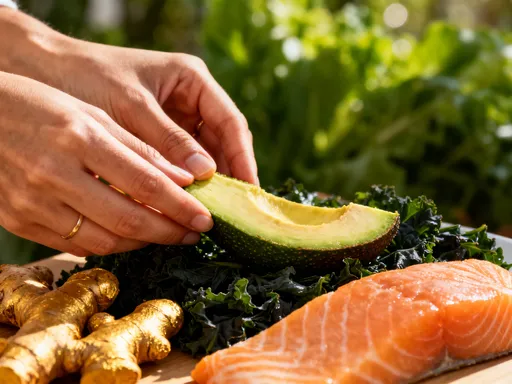
Fatty fish like salmon and sardines are top-tier choices due to their high omega-3 content. Eating two to three servings per week has been associated with reduced joint stiffness and improved physical function. For plant-based eaters, flaxseeds and chia seeds offer alpha-linolenic acid (ALA), a precursor to the omega-3s found in fish. Grinding these seeds enhances absorption, making them easy to sprinkle on oatmeal, yogurt, or salads.
Leafy greens such as spinach, kale, and Swiss chard are nutritional powerhouses. They provide magnesium, vitamin C, and a range of antioxidants. Their high water content also supports hydration, which is crucial for maintaining the pliability of muscles and connective tissues. One study found that individuals who consumed more leafy greens reported fewer mobility issues over time, likely due to their combined anti-inflammatory and nutrient-dense profile.
Berries—especially blueberries, strawberries, and blackberries—are rich in anthocyanins, a type of flavonoid with strong anti-inflammatory properties. These compounds help protect joint tissues from degradation. Eating a cup of berries daily has been linked to improved markers of joint health in middle-aged adults. They’re also low in sugar compared to other fruits, making them a smart choice for those managing inflammation.
Nuts and seeds, including walnuts, almonds, and sunflower seeds, provide healthy fats, vitamin E, and magnesium. Vitamin E is a fat-soluble antioxidant that protects cell membranes from oxidative damage. Including a small handful of mixed nuts daily can support tissue resilience without contributing to weight gain when consumed in moderation.
Turmeric, particularly when paired with black pepper (which enhances curcumin absorption), is a powerful addition to any flexibility-supporting diet. Adding it to soups, stews, or golden milk can provide consistent anti-inflammatory benefits. Its effects are cumulative, meaning regular use over weeks or months yields the best results.
Hydration is equally important. Water makes up about 75% of muscle tissue and 80% of synovial fluid. Even mild dehydration can reduce muscle elasticity and increase the risk of cramping. Electrolytes like potassium and sodium, found in bananas, avocados, and coconut water, help maintain fluid balance within cells. Drinking enough water throughout the day—about half your body weight in ounces—is a simple but effective way to support flexibility.
Simple food swaps can make a big difference. Replace white pasta with whole grain or legume-based alternatives to increase fiber and reduce blood sugar spikes. Choose olive oil over processed vegetable oils for its anti-inflammatory monounsaturated fats. Snack on fruit and nuts instead of chips or cookies. These small changes, when made consistently, create a dietary environment that supports, rather than hinders, flexibility.
What to Avoid: The Stiffness-Inducing Habits Hiding in Your Diet
Just as certain foods support flexibility, others can quietly undermine it. Many of these culprits are common in modern diets and may not cause immediate symptoms, but their long-term effects on tissue health can be significant. Recognizing and reducing these dietary habits is a crucial step in improving mobility.
Excess sodium is one such issue. While the body needs some sodium for nerve and muscle function, too much leads to water retention and puffiness, which can make joints feel stiff and muscles feel tight. Processed foods—such as deli meats, canned soups, and frozen meals—are often loaded with hidden sodium. Reading labels and choosing low-sodium versions can help minimize this effect. Cooking at home with herbs and spices instead of salt enhances flavor without the stiffness-inducing side effects.
Refined carbohydrates, like white bread, pastries, and sugary cereals, cause rapid increases in blood glucose and insulin levels. This metabolic response triggers inflammation and can lead to glycation—a process where sugar molecules attach to proteins like collagen, making them stiffer and less functional. Over time, this contributes to a loss of tissue elasticity. Choosing whole grains, legumes, and vegetables instead provides steady energy and supports tissue health.
Trans fats, though increasingly banned, still appear in some margarines, shortening, and fried foods. These fats disrupt cell membrane integrity and promote inflammation. Avoiding fried fast food and checking ingredient lists for “partially hydrogenated oils” can help eliminate this harmful fat from your diet.
Dehydration is another silent contributor to stiffness. Many people do not drink enough water, especially if they consume diuretics like caffeine or alcohol. Even a 2% drop in body water can impair muscle function and reduce joint lubrication. Keeping a water bottle nearby and sipping regularly throughout the day helps maintain optimal hydration.
Alcohol and caffeine, when consumed in excess, can interfere with nutrient absorption and increase inflammation. Alcohol depletes magnesium and B vitamins, both important for muscle function. Caffeine, while not inherently harmful, can contribute to dehydration if not balanced with water. Moderation is key—limiting alcohol to one drink per day and caffeine to two to three cups of coffee can help maintain a flexibility-friendly internal environment.
Practical tips for reducing these dietary culprits include meal planning, reading nutrition labels, and preparing more meals at home. You don’t need to eliminate all indulgences—occasional treats are part of a balanced life. The goal is to shift the overall pattern of eating toward foods that support, rather than hinder, your body’s ability to move freely.
Putting It Into Practice: A Realistic Eating Approach for Better Flexibility
Improving flexibility through diet doesn’t require strict rules, expensive supplements, or drastic changes. It’s about building a sustainable, enjoyable eating pattern that naturally includes the nutrients your body needs. The focus should be on consistency, variety, and balance—not perfection.
A sample day of flexibility-supporting meals might start with oatmeal topped with chia seeds, blueberries, and a sprinkle of walnuts, providing fiber, omega-3s, and antioxidants. Lunch could be a large salad with spinach, grilled salmon, avocado, and a lemon-olive oil dressing, delivering magnesium, healthy fats, and vitamin C. A mid-afternoon snack of apple slices with almond butter offers sustained energy and anti-inflammatory benefits. Dinner might include quinoa, roasted vegetables, and tofu or chicken, seasoned with turmeric and black pepper. This kind of meal plan is not only supportive of flexibility but also satisfying and easy to adapt to personal preferences.
The key is regular exposure to beneficial nutrients. You don’t need to eat perfectly every day—what matters is the overall pattern over weeks and months. Small, consistent choices add up. For example, adding a serving of leafy greens to two meals a day or drinking an extra glass of water can make a noticeable difference over time.
Tracking progress should go beyond how far you can reach in a seated forward bend. Pay attention to how you feel during daily activities—do stairs feel easier? Can you bend down to tie your shoes without stiffness? Do your shoulders move more freely when reaching for high shelves? These functional improvements are often more meaningful than any single stretch measurement. They reflect a body that is not only more flexible but also healthier at a cellular level.
Beyond the Plate: Combining Diet with Movement for Optimal Results
Nutrition works best when paired with movement. While food creates the internal conditions for flexibility, physical activity stimulates the tissues and joints, enhancing the benefits. Gentle stretching, yoga, tai chi, and mobility drills help maintain range of motion and prevent stiffness. Strength training, particularly exercises that target stabilizing muscles, supports joint integrity and improves control during movement.
The synergy between diet and movement is powerful. When your body is well-nourished, recovery from physical activity is faster, and tissues are more responsive to stretching. You may find that stretches feel deeper and less resisted, and that improvements in flexibility happen more steadily. This positive feedback loop encourages continued effort and makes the journey more rewarding.
Better flexibility reduces the risk of injury by allowing joints to move through their full range without strain. It also improves posture, balance, and coordination—key factors in maintaining independence and quality of life, especially as we age. Simple tasks like gardening, playing with grandchildren, or getting in and out of a car become easier and more comfortable.
In closing, flexibility is not just a physical attribute—it’s a reflection of overall health. Viewing diet as a core component of your mobility strategy shifts the focus from quick fixes to long-term wellness. It’s about making daily choices that honor your body’s need for nourishment, hydration, and movement. When you feed your tissues the right nutrients and support them with gentle activity, flexibility becomes not a goal to achieve, but a natural expression of a well-cared-for body. The journey may start with a single meal, but its effects ripple through every step you take, every stretch you make, and every day you live with greater ease.