What I Learned About Hair Care That Changed Everything
Hair problems used to stress me out—dryness, breakage, constant shedding. I tried everything, from trendy products to home remedies, with little success. Then I shifted my focus from quick fixes to true hair health. What I discovered wasn’t just about shampoo or serums, but a complete mindset change. Turns out, healthy hair starts long before it reaches the surface. This is what finally worked—and why it’s about more than just looks.
The Hair Crisis No One Talks About
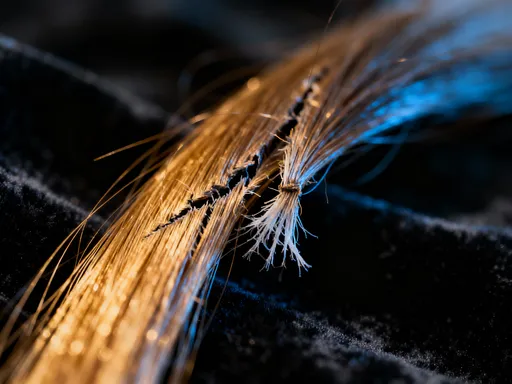
Hair concerns affect millions of people worldwide, yet many suffer in silence, believing their issues are unavoidable or purely genetic. Dryness, split ends, thinning, and lack of shine are often dismissed as natural consequences of aging or stress. But while genetics and hormones do play a role, they are not the full story. The deeper issue lies in a widespread misunderstanding of what hair actually is and how it functions. Unlike skin, which regenerates and responds to topical treatments, hair itself is not alive. It is a filament made of keratin, a structural protein, and once it emerges from the scalp, it cannot heal or grow stronger on its own. This means that no amount of expensive serum or overnight mask can repair damage at a cellular level.
Understanding this basic biology is the first step toward meaningful change. Hair growth begins beneath the skin in the hair follicle, a living structure fed by blood vessels and influenced by hormones and nutrients. The visible part—the hair shaft—is essentially dead tissue, much like a fingernail. It reflects what has already happened during its development. Therefore, the condition of your hair today is a record of your health and habits over the past several months. If you're seeing brittleness or slow growth, the root cause likely began weeks or even months ago. This shifts the focus from surface-level treatments to internal and environmental factors that support healthy follicle function.
Common misconceptions only make matters worse. Many people believe that washing hair daily keeps it clean and healthy, but over-washing can strip natural oils, leading to dryness and irritation. Others rely heavily on conditioners and oils, assuming they nourish the hair, when in reality, these products only temporarily improve texture and appearance. Some swear by home remedies like coconut oil or apple cider vinegar, which may offer mild benefits but do not address underlying deficiencies or damage. The truth is, hair care has become overly commercialized, with an endless stream of products promising miracles. Yet, without a foundation of scalp health, balanced nutrition, and mindful habits, even the most luxurious routines fall short.
Why Scalp Health Is Everything
If hair is the plant, the scalp is the soil—and no amount of pruning or watering will help if the soil is unhealthy. A well-functioning scalp provides the ideal environment for hair follicles to thrive. It regulates oil production, maintains proper pH balance, and ensures adequate blood flow to deliver oxygen and nutrients. When any of these systems are disrupted, hair growth can slow, and shedding may increase. Unfortunately, many people neglect their scalp, treating it as an afterthought rather than a critical component of hair wellness.
Signs of an unhealthy scalp are often easy to spot: persistent dandruff, itching, redness, or a buildup of residue that makes hair look flat and greasy within hours of washing. These symptoms can stem from a variety of causes, including overuse of styling products, harsh shampoos, or even infrequent cleansing. A clogged scalp can suffocate follicles, preventing new hair from emerging and weakening existing strands. In some cases, conditions like seborrheic dermatitis or fungal imbalances may be at play, requiring specific care beyond routine washing.
Lifestyle factors also play a significant role in scalp health. Chronic stress, for example, triggers the release of cortisol, a hormone that can disrupt the scalp’s natural balance and contribute to inflammation. Poor sleep patterns interfere with the body’s repair cycles, including those that support skin and follicle regeneration. Diet, too, has a direct impact—excess sugar and processed foods can fuel inflammation, while dehydration reduces the scalp’s ability to maintain moisture and elasticity.
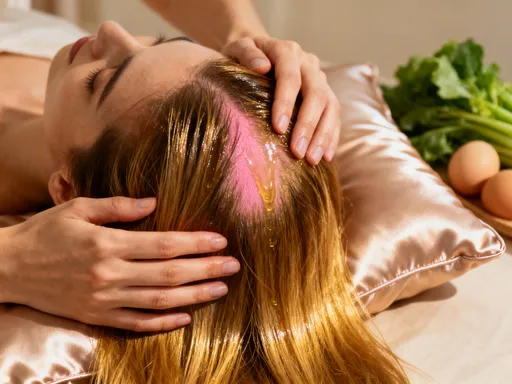
The good news is that scalp health can be improved with simple, consistent practices. Gentle exfoliation once a week helps remove dead skin cells and product buildup without irritating the skin. Using a soft-bristled brush to stimulate the scalp daily can enhance circulation, promoting nutrient delivery to follicles. Choosing sulfate-free, fragrance-free cleansers reduces the risk of irritation, especially for those with sensitive skin. Avoiding tight hairstyles that pull on the scalp, such as high ponytails or braids worn too tightly, prevents tension-related damage. Over time, these small changes create a more supportive environment for hair growth, laying the groundwork for stronger, more resilient strands.
The Hidden Power of Nutrition
Healthy hair doesn’t grow in a vacuum—it requires a steady supply of essential nutrients. Keratin, the primary protein in hair, is built from amino acids, which come from the protein in our diets. But protein alone isn’t enough. A range of vitamins and minerals act as co-factors in the hair growth cycle, influencing everything from follicle strength to the speed of regeneration. When these nutrients are lacking, the effects often show up first in the hair: increased shedding, slower growth, or changes in texture and color.
Biotin, also known as vitamin B7, is one of the most well-known nutrients for hair health. It plays a key role in the production of keratin and helps maintain the infrastructure of the hair shaft. While biotin deficiency is rare, marginal insufficiency can occur, especially in those with poor diets or digestive issues. Good dietary sources include eggs, almonds, sweet potatoes, and spinach. Iron is another critical nutrient, particularly for women, as low iron stores are strongly linked to hair thinning. Iron supports the production of hemoglobin, which carries oxygen to hair follicles. Without sufficient oxygen, follicles can enter a resting phase prematurely, leading to shedding. Red meat, lentils, tofu, and fortified cereals are excellent sources of iron, especially when paired with vitamin C-rich foods to enhance absorption.
Zinc is involved in hair tissue growth and repair, and it helps regulate the oil glands around follicles. A deficiency can lead to dryness, dandruff, and increased hair fall. Oysters, pumpkin seeds, and chickpeas are rich in zinc. Omega-3 fatty acids, found in fatty fish like salmon, flaxseeds, and walnuts, support scalp hydration and reduce inflammation, contributing to a healthier follicle environment. Protein, the building block of hair, should be consumed consistently throughout the day. Eggs, Greek yogurt, chicken, and legumes provide high-quality protein that supports continuous hair renewal.
Equally important is gut health. Even with a nutrient-rich diet, poor digestion can limit absorption, leaving the body deficient despite adequate intake. A balanced gut microbiome aids in breaking down food and extracting nutrients efficiently. Eating fiber-rich vegetables, fermented foods like yogurt or sauerkraut, and staying hydrated supports digestive function. Over time, a well-nourished body reflects that balance in the strength, shine, and growth rate of the hair. This connection underscores a powerful truth: what you eat doesn’t just affect your energy or weight—it shows up visibly in your appearance.
Damage You’re Probably Causing Without Knowing
Many of the habits we think are harmless—or even beneficial—can silently damage hair over time. Heat styling tools like flat irons, curling wands, and blow dryers are among the most common culprits. While they offer convenience and style, frequent use at high temperatures breaks down the protein structure of the hair shaft, leading to brittleness, split ends, and loss of elasticity. The damage is cumulative, meaning that even moderate use over months or years can significantly weaken hair integrity.
Another often-overlooked source of harm is mechanical stress. Tight hairstyles such as high buns, ponytails, or braids pull on the hair follicles, especially around the hairline. Over time, this tension can lead to a condition called traction alopecia, where hair stops growing in those areas. Similarly, rough towel drying—vigorously rubbing wet hair with a cotton towel—can cause friction and breakage. Wet hair is more fragile because the cuticle is lifted, making it vulnerable to damage. Using a microfiber towel or an old cotton t-shirt to gently squeeze out moisture is a much safer alternative.
Chemical treatments, including coloring, bleaching, and perming, also take a toll. These processes alter the hair’s natural structure by opening the cuticle and changing its pigment or shape. While modern formulations are gentler than in the past, repeated treatments without proper recovery time can lead to dryness, porosity, and breakage. Even some shampoos and conditioners contain sulfates, alcohols, or silicones that build up over time, weighing hair down or causing irritation.
The key is not to eliminate these practices entirely but to approach them with awareness and moderation. Using heat protectant sprays before styling creates a barrier that reduces direct damage. Limiting heat tool use to once a week or less allows hair time to recover. Opting for loose hairstyles and switching to silk or satin pillowcases reduces friction during sleep, helping to preserve cuticle integrity. Choosing gentler hair dyes or plant-based alternatives, and spacing out chemical services, gives hair time to regain strength. Small adjustments like these don’t require drastic lifestyle changes but can make a meaningful difference in long-term hair health.
Building a Realistic Routine (That Actually Works)
One of the biggest obstacles to effective hair care is the belief that more is better. Countless online routines feature ten-step processes with multiple masks, serums, and treatments, creating the impression that simplicity equals neglect. But in reality, consistency and suitability matter far more than complexity. A sustainable routine is one that fits into daily life, adapts to changing needs, and avoids overwhelming the hair with too many products.
A basic, effective routine starts with cleansing. How often you wash your hair depends on your scalp type, lifestyle, and hair texture. Those with oily scalps may need to wash every other day, while people with dry or curly hair may only need to shampoo once a week. The goal is to remove buildup without stripping natural oils. Following with a conditioner helps restore moisture, especially on the mid-lengths and ends, where hair is oldest and most prone to damage. Deep conditioning treatments can be used once a week for extra hydration, particularly in dry climates or during seasonal transitions.
Protecting hair during styling and sleep is equally important. Using a heat protectant before any thermal styling creates a shield against damage. Air-drying when possible reduces heat exposure. At night, wrapping hair in a silk scarf or using a satin pillowcase minimizes friction and helps retain moisture. For those who exercise or live in humid environments, rinsing the scalp with water between shampoos can remove sweat and salt without over-drying.
The most powerful aspect of a good routine is observation. Paying attention to how your hair responds—whether it feels stronger, sheds less, or looks shinier—allows you to adjust as needed. Seasonal changes, hormonal shifts, or dietary adjustments may require modifications in care. Instead of following a rigid set of rules, think of hair care as a dialogue with your body. When you listen, it tells you what it needs. Over time, this mindful approach fosters a deeper connection to your health and well-being, turning hair care into a form of self-awareness rather than a chore.
When to Seek Professional Help
While many hair concerns can be addressed through lifestyle and routine changes, some issues signal underlying health conditions that require medical attention. Sudden or excessive shedding—losing more than 100 strands a day for several weeks—can be a sign of hormonal imbalances, such as those related to thyroid disorders or post-pregnancy changes. Patchy hair loss, especially in round or irregular shapes, may indicate alopecia areata, an autoimmune condition that attacks hair follicles. Scalp sores, severe itching, or persistent redness could point to infections, psoriasis, or other dermatological issues.
In these cases, self-care alone is not enough. A board-certified dermatologist or healthcare provider can perform tests to identify root causes, such as blood work to check iron, thyroid, or hormone levels. They may recommend topical treatments like minoxidil, prescription medications, or specialized therapies depending on the diagnosis. Early intervention is crucial—addressing issues before they progress increases the chances of successful regrowth and prevents long-term damage.
It’s important to approach professional help without shame or alarm. Hair loss and scalp conditions are common and treatable. Seeking support is not a failure of personal care but an act of responsibility toward your health. Just as you would see a doctor for persistent fatigue or skin changes, your hair deserves the same level of attention. A professional can provide clarity, accurate diagnosis, and a personalized treatment plan, helping you regain confidence and control.
Hair Health as a Reflection of Overall Wellness
In the end, caring for your hair is about more than vanity. It’s a visible expression of your internal state—a mirror held up to your nutrition, stress levels, sleep quality, and overall health. When you prioritize hair wellness, you’re also nurturing your body from within. The choices you make—what you eat, how you manage stress, whether you protect your hair from damage—add up to a broader commitment to self-care.
Healthy hair is not about achieving perfection or conforming to beauty standards. It’s about resilience, balance, and vitality. It’s the result of treating your body with respect and attention. By shifting the focus from quick fixes to long-term health, you move beyond temporary solutions and embrace a more sustainable, empowering approach. You begin to see hair not as a separate concern but as part of a larger picture of well-being.
This mindset change is what truly transforms results. When you stop chasing trends and start listening to your body, you gain clarity and confidence. You learn to appreciate progress, not perfection. And in doing so, you cultivate a deeper sense of self-respect—one strand at a time.