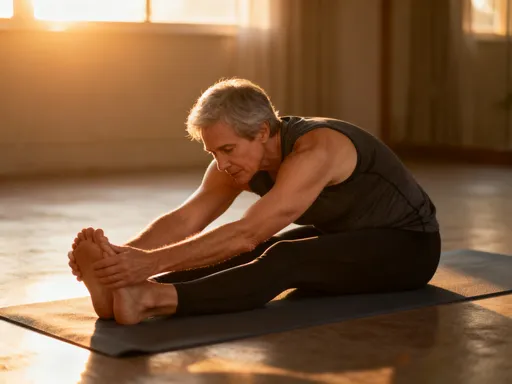
What Happened When I Added Movement to My Medication Routine
When I started medication for ongoing health issues, I thought pills were the only solution. But my doctor suggested something simple—adding gentle exercise. Skeptical at first, I gave it a try. Within weeks, I noticed real changes: more energy, better sleep, and less stiffness. This isn’t a miracle cure, just science-backed movement meeting medical treatment. If you’re on long-term meds, this might be the missing piece you’ve overlooked. Many people assume that once a prescription is filled, the body will heal on its own. But healing isn’t passive. It requires active support. Movement, even in its mildest forms, plays a powerful role in how medications work and how we feel every day. This is not about drastic lifestyle changes or intense workouts. It’s about understanding how small, consistent actions can create meaningful improvements alongside medical treatment.
The Hidden Gap in Medication Treatment
Medications are designed to manage symptoms, regulate bodily functions, and support recovery. They can lower blood pressure, reduce inflammation, or stabilize mood. Yet, despite their effectiveness, they often don’t address one critical factor: physical decline caused by inactivity. When people focus solely on taking pills, they may unknowingly allow their bodies to become weaker, stiffer, and more fatigued over time. This creates a hidden gap in treatment—where the medication is working chemically, but the body’s overall condition continues to deteriorate due to lack of movement.
Consider what happens when someone spends long hours sitting. Circulation slows, muscles weaken, joints stiffen, and energy levels drop. These changes don’t just make daily life harder—they can actually interfere with how well medications perform. For example, poor blood flow may delay the delivery of drugs to target tissues. Reduced muscle mass can affect metabolism, altering how the body processes medication. Even digestion, which influences absorption, slows down with inactivity. These are not minor side effects; they are physiological realities that impact treatment outcomes.
Research supports this connection. A 2021 review published in the Journal of the American Medical Association found that patients on long-term medication who remained physically inactive were more likely to report persistent fatigue, joint discomfort, and lower treatment satisfaction. Meanwhile, those who incorporated light movement—even just walking for 15 minutes a day—reported improved symptom control and higher energy. The takeaway is clear: medication manages the internal chemistry, but movement supports the body’s ability to respond.
This doesn’t mean abandoning medication in favor of exercise. It means recognizing that both are essential. Think of medication as the key that unlocks healing, and movement as the engine that drives it forward. For many, especially women between 30 and 55 managing chronic conditions while balancing family and work, this shift in perspective can be life-changing. It’s not about doing more—it’s about doing something different that works with the body, not against it.
Why Exercise Works With, Not Against, Medication
There’s a common misconception that if you’re on medication, your body is already being “treated,” so exercise is optional. But the truth is, movement doesn’t compete with medicine—it complements it. Medications regulate internal processes: hormones, enzymes, nerve signals. Exercise enhances the environment in which these processes occur. It improves circulation, oxygenates tissues, and supports cellular health—all of which help medications work more efficiently.
Take blood pressure medication as an example. These drugs help relax blood vessels and reduce strain on the heart. But when combined with regular walking or light resistance training, the benefits multiply. Exercise naturally strengthens the heart muscle, improves vascular flexibility, and helps maintain healthy weight—factors that reduce the overall burden on the cardiovascular system. Studies show that patients who combine medication with moderate activity achieve better long-term blood pressure control than those relying on medication alone.
Similarly, for those managing conditions like type 2 diabetes, movement plays a direct role in insulin sensitivity. Medications like metformin help regulate blood sugar, but physical activity allows muscles to absorb glucose more effectively—even without insulin. This means that a short walk after meals can enhance the effect of diabetes medication, leading to more stable glucose levels and fewer fluctuations. The American Diabetes Association recommends at least 150 minutes of moderate activity per week for this very reason.
Even for mood-related medications, movement has a synergistic effect. Antidepressants work by adjusting neurotransmitter levels, but exercise naturally boosts serotonin, dopamine, and endorphins—brain chemicals linked to well-being. A 2020 study in The Lancet Psychiatry found that individuals who combined medication with regular physical activity reported greater improvements in mood and motivation than those who relied on medication alone. The body isn’t a machine with separate parts; it’s an interconnected system. When you support one area—like circulation or metabolism—you strengthen the entire network, making medical treatment more effective.
Real Effects Beginners Actually Notice
One of the most encouraging aspects of adding movement to a medication routine is how quickly some people begin to feel a difference. These changes aren’t dramatic weight loss or extreme fitness gains. Instead, they’re subtle, everyday improvements that quietly enhance quality of life. Women who start with just 10 to 20 minutes of gentle movement often report easier mornings, less joint stiffness, and improved digestion. These may seem small, but they add up to a more comfortable, predictable day.
Sleep is another area where benefits become noticeable. Many people on long-term medication struggle with restlessness or poor sleep quality. Gentle movement, especially earlier in the day, helps regulate the body’s internal clock. It increases daytime alertness and promotes deeper sleep at night. A study from the National Sleep Foundation found that participants who engaged in light physical activity—such as stretching or walking—fell asleep faster and experienced fewer nighttime awakenings. Better sleep, in turn, supports the body’s healing processes and improves how well medications are absorbed and utilized.
Mood and motivation also shift gradually. When energy improves, even slightly, it becomes easier to complete daily tasks. This creates a positive feedback loop: movement boosts energy, energy supports action, and action builds confidence. One clinical trial involving women over 40 on chronic medication found that those who walked 20 minutes a day were 30% more likely to adhere to their medication schedule. Researchers believe this is because physical activity increases a sense of control and self-efficacy—key factors in long-term health management.
Digestion is another often-overlooked benefit. Many medications, especially those for pain or mood, can slow digestion and lead to discomfort. Light movement, such as walking after meals, stimulates the digestive tract and helps prevent bloating and constipation. This simple habit can make a noticeable difference in how people feel throughout the day. These early effects aren’t about dramatic transformation—they’re about restoring a sense of balance and ease in daily living.
Safe and Simple Ways to Start (No Gym Needed)
One of the biggest barriers to starting movement is the belief that it requires special equipment, a gym membership, or high fitness levels. The truth is, the most effective starting points are often the simplest and most accessible. You don’t need weights, machines, or even a lot of space. What matters most is consistency, not intensity. The goal is to signal to your body that movement is a regular part of your day—not an occasional challenge.
Begin with seated stretches. While watching the morning news or waiting for coffee to brew, gently roll your shoulders, stretch your arms overhead, or rotate your ankles. These small actions improve circulation and reduce stiffness without strain. Chair yoga is another excellent option, especially for those with joint concerns or limited mobility. It focuses on controlled breathing, gentle poses, and balance—all done from a seated or supported position.
Short walks are one of the most studied and effective forms of movement. Start with five minutes around the block or even inside your home. Gradually increase to 10 or 15 minutes. If going outside isn’t possible, walk in place during TV commercials or while talking on the phone. The key is to break up long periods of sitting, which research shows is harmful even for those who exercise later.
Wall push-ups and slow stair climbing are also beginner-friendly. Stand a few feet from a wall, place your hands on it at shoulder height, and perform slow, controlled presses. This builds upper body strength safely. Climbing stairs at your own pace—perhaps just one flight—engages major muscle groups and improves cardiovascular function. These activities don’t require fitness expertise; they just require willingness to begin.
Three 10-minute sessions of movement spread throughout the day can be as beneficial as one 30-minute workout. The body responds well to regular signals. Whether it’s stretching, walking, or light resistance, the important thing is to make it manageable and repeatable. Over time, these small efforts build resilience and create a foundation for better health.
Matching Movement to Your Energy Levels
Life with chronic health conditions is rarely predictable. Some days you may feel strong and capable; others, just getting out of bed can feel like a victory. This variability is normal, and your movement routine should reflect that. A rigid, all-or-nothing approach often leads to frustration and burnout. Instead, a flexible strategy—adjusting activity based on how you feel—supports long-term success.
On low-energy days, focus on gentle, restorative movements. Seated breathing exercises, where you inhale slowly through the nose and exhale through the mouth, can calm the nervous system and improve oxygen flow. Ankle rolls, wrist circles, or gentle neck stretches can be done from a chair or bed and help maintain joint mobility. These aren’t “workouts” in the traditional sense, but they keep the body engaged and prevent stiffness.
On better days, you might add a short walk, a few wall push-ups, or a longer stretching session. The goal isn’t to push yourself to exhaustion, but to take advantage of higher energy to build strength and endurance gradually. This responsive approach honors your body’s needs and reduces the risk of overexertion, which can lead to setbacks.
Listening to your body isn’t a sign of weakness—it’s a sign of wisdom. It shows that you’re paying attention, not just going through the motions. Over time, this awareness helps you recognize patterns: what types of movement feel best, when your energy tends to peak, and how activity affects your symptoms. This knowledge empowers you to make informed choices that support your overall well-being.
Common Fears and How to Move Past Them
It’s natural to feel hesitant when starting something new, especially when managing health conditions. Many women worry that movement might worsen their symptoms, cause injury, or interfere with their medication. These fears are valid, but they don’t have to be barriers. The key is to start slowly, monitor how you feel, and communicate with your healthcare provider.
Begin with movements that feel safe and comfortable. If joint pain is a concern, focus on seated or supported exercises. If balance is an issue, use a chair or wall for stability. Track your experience in a journal or a simple app—note your mood, energy level, and any changes in symptoms. This record becomes valuable information to share with your doctor, who can help adjust both your medication and movement plan as needed.
Another common fear is not doing enough. Social media often portrays fitness as intense, fast-paced, and visually impressive. But real progress in health management is quiet and personal. Celebrating small wins—like completing three days of stretching or walking to the mailbox without discomfort—is essential. These moments build confidence and reinforce the habit.
Remember, movement isn’t about performance. It’s not about how far you walk or how many reps you do. It’s about supporting your body’s healing process. It’s about giving your medication the best possible environment to work. When you shift the focus from achievement to support, the pressure lifts, and the path becomes clearer.
Building a Sustainable Routine That Lasts
Long-term success doesn’t come from motivation—it comes from integration. Motivation fades, but habits endure. The most effective way to make movement a lasting part of your life is to link it to existing routines. Pair stretching with your morning coffee, take a walk after dinner, or do seated leg lifts during television commercials. These micro-habits require little willpower because they’re woven into your day.
Consistency matters more than duration. Ten minutes of movement every day is more beneficial than one hour once a week. Over time, these small actions accumulate, leading to improved strength, better circulation, and greater resilience. The body adapts to regular signals, and movement becomes less of an effort and more of a natural rhythm.
Involving family can also help. Invite a spouse or child to join a short evening walk. Make it a time to talk, unwind, and connect. When movement becomes a shared experience, it’s easier to stick with. Even if others aren’t on medication, they benefit from the routine too—creating a supportive environment for everyone.
The goal isn’t perfection. Some days will be missed, and that’s okay. What matters is returning to the routine without guilt or self-criticism. Progress, not perfection, is the measure of success. Over months, these small, consistent choices lead to meaningful improvements in how you feel and function.
When combined with medication, movement offers a more complete approach to health. It doesn’t replace medical treatment—it enhances it. It empowers you to take an active role in your healing journey, not just follow a prescription. And that shift—from passive patient to active participant—can make all the difference.
Medication is a vital tool, but it’s not the whole story. Adding movement—even in small doses—can amplify its effects and improve quality of life. This isn’t about replacing medical care; it’s about enhancing it. By embracing both pills and physical activity, you take a fuller, more empowered role in your healing journey. Always consult your doctor, but don’t underestimate the power of simply getting moving.