What Science Says About Healing Damaged Hair – And What Actually Works
Hair damage is more than just split ends—it’s a sign of deeper structural breakdown. I used to think heat styling was the main culprit, but after digging into dermatology studies and testing methods for months, I realized the real issues run deeper. From protein loss to cuticle erosion, science reveals how hair weakens over time. This isn’t about quick fixes; it’s about rehabilitation. Here’s what research shows actually helps restore strength, shine, and resilience—naturally and effectively.
The Hidden Crisis: Why Hair Needs Rehabilitation, Not Just Care
Hair rehabilitation goes beyond routine washing, conditioning, or styling. It is a deliberate process aimed at restoring the integrity of the hair shaft after prolonged exposure to damaging factors. Unlike daily care, which maintains appearance, rehabilitation targets the internal structure of the hair—repairing weakened bonds, replenishing lost proteins, and improving moisture retention. For many women, especially those in their 30s to 50s managing hormonal shifts, chemical treatments, and years of styling, hair no longer bounces back the way it once did. The need for true recovery becomes evident when strands feel brittle, break easily, or lose their natural luster.
Chronic hair damage arises from multiple sources. Chemical processing such as coloring, bleaching, perming, or relaxing strips away essential components of the hair fiber. These treatments open the cuticle layer, allowing active ingredients to penetrate—but also making the hair vulnerable to long-term weakening. Mechanical stress from brushing, tight hairstyles, or frequent use of hot tools compounds the problem. Environmental exposure, including UV radiation, pollution, and humidity fluctuations, further accelerates degradation. Over time, these factors lead to cumulative damage that cannot be reversed with surface-level conditioners alone.
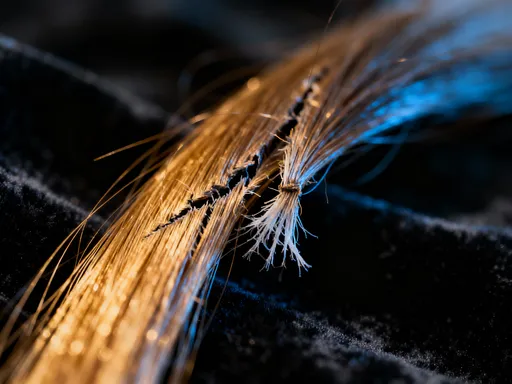
Scientific studies have shown measurable changes in hair composition after repeated chemical exposure. One study published in the International Journal of Trichology found that bleached hair can lose up to 20% of its total protein content, primarily keratin, which is crucial for tensile strength. Additionally, lipid content in the cell membrane complex—responsible for holding cuticle cells together—decreases significantly. This leads to increased porosity, making hair more susceptible to water loss and breakage. Without intervention, the hair fiber becomes progressively weaker, much like a rope frayed by constant friction.
An effective analogy is comparing healthy hair to a freshly painted wooden fence. The outer layer protects the inner structure. But with sun exposure, rain, and wear, the paint chips and cracks, exposing the wood beneath. Similarly, when the cuticle of the hair is compromised, the cortex is left unprotected and begins to degrade. Just as a fence requires more than a fresh coat of paint to be restored—often needing sealing, sanding, or even replacement of damaged boards—hair requires more than surface conditioning. It needs targeted strategies that rebuild from within, supported by time and consistent care.
What Goes Wrong? A Scientific Breakdown of Hair Damage
To understand how hair becomes damaged, it’s essential to examine its basic structure. The hair shaft consists of three primary layers: the outer cuticle, the middle cortex, and the inner medulla. The cuticle acts as a protective shield, composed of overlapping scales that resemble shingles on a roof. Its main function is to protect the inner layers and maintain smoothness and shine. Beneath it lies the cortex, which makes up the bulk of the hair strand and contains keratin fibers, melanin (responsible for color), and structural proteins that give hair its strength and elasticity. The medulla, present mostly in thicker hairs, is a soft core whose exact role remains less defined.
Daily habits and environmental stressors disrupt this delicate architecture. Heat styling tools like flat irons and blow dryers can reach temperatures exceeding 400°F (204°C), enough to denature keratin proteins and cause micro-fractures in the cuticle. UV radiation from sunlight generates free radicals that oxidize proteins and lipids, leading to dryness and brittleness. Chemical treatments, particularly those involving alkaline agents like ammonia or peroxide, swell the hair shaft and lift the cuticle, allowing color molecules to enter—but also weakening the internal matrix. Each of these actions contributes to cumulative structural fatigue.
Research has documented how damaged hair exhibits increased porosity, meaning it absorbs water quickly but also loses it just as fast. A study in Journal of Cosmetic Science demonstrated that highly porous hair can absorb up to 30% more water than healthy hair, yet fails to retain it, resulting in swelling and weakening of the fiber. This swelling stresses the cortex, leading to cracks and split ends. Moreover, tensile strength—the force required to break a hair strand—declines significantly with repeated damage. In one clinical trial, hair exposed to bleach and heat lost nearly half its original strength, making it prone to snapping under minimal tension.
Despite widespread marketing claims, a common misconception persists: that split ends can be “sealed” or “repaired” with serums or treatments. In reality, once the hair shaft splits, the damage is irreversible. No topical product can fuse the broken keratin fibers back together. The only effective solution is trimming. While certain ingredients like silicones may temporarily smooth the surface and reduce frizz, they do not restore structural integrity. Understanding this distinction is crucial for setting realistic expectations. True repair involves preventing further damage and supporting the health of new growth, not fixing what’s already broken.
The Role of Proteins: Why Your Hair Isn’t Just Dry—It’s Weak
One of the most overlooked aspects of hair health is protein balance. Many women assume dryness is the root of their hair problems and respond with heavier conditioners or oils. While moisture is important, dryness is often a symptom of a deeper issue: protein deficiency within the hair shaft. Keratin, the primary structural protein in hair, provides strength and resilience. When hair undergoes chemical processing or excessive heat, keratin degrades and amino acids leach out, leaving the cortex vulnerable. This loss transforms hair from strong and elastic to weak and brittle—like a sponge that crumbles instead of bouncing back.
Protein treatments work by depositing hydrolyzed proteins onto and into the hair shaft. These are small, broken-down protein molecules (often derived from wheat, soy, or keratin) that can penetrate the cuticle and fill in gaps within the cortex. Once inside, they temporarily reinforce the hair’s internal structure, improving elasticity and reducing breakage. Clinical studies have shown that regular use of protein-rich conditioners can increase hair strength by up to 25% over several weeks. However, effectiveness depends on proper usage—too little, and benefits are minimal; too much, and hair becomes stiff and prone to snapping.
Overuse of protein is a real concern, especially for those with fine or low-porosity hair. When excess protein accumulates on the surface or within the cortex, it overwhelms the hair’s ability to stay flexible. This condition, sometimes called “protein overload,” leads to dryness, brittleness, and increased breakage—ironically mimicking the very problem it was meant to solve. Therefore, balance is essential. Experts recommend alternating protein treatments with moisturizing ones, particularly for chemically treated or high-porosity hair. A general guideline is to use a protein treatment every 4 to 6 weeks, adjusting based on how hair responds.
The type of protein matters as well. Hydrolyzed wheat protein and hydrolyzed soy protein are widely studied and effective for most hair types. They bond well with hair keratin and provide measurable improvements in strength and manageability. In contrast, whole keratin proteins are too large to penetrate and offer little benefit. Some commercial products list “keratin” on the label but contain ineffective forms; reading ingredient lists carefully ensures better results. Ultimately, protein is not a cure-all, but a critical component of a science-based hair rehabilitation plan—especially for those recovering from bleaching, relaxing, or frequent thermal styling.
Moisture vs. Hydration: The Misunderstood Duo in Recovery
When discussing hair health, the terms “moisture” and “hydration” are often used interchangeably, but they refer to distinct processes. Surface moisture describes the feel of softness or slipperiness provided by oils, silicones, or emollients. These ingredients coat the hair, reducing friction and improving shine. However, they do not address internal water content. True hydration, on the other hand, refers to the hair’s ability to absorb and retain water within the cortex—the same way a well-hydrated plant holds water in its cells. Without proper hydration, hair becomes stiff, prone to breakage, and unable to maintain elasticity.
The key to internal hydration lies in the presence of natural moisturizing factors (NMFs), which are water-soluble compounds found in healthy hair. These include amino acids, urea, lactic acid, and pyrrolidone carboxylic acid (PCA). Together, they attract and bind water molecules, maintaining optimal moisture levels within the cortex. Chemical damage and aging reduce the concentration of NMFs, impairing the hair’s ability to self-hydrate. This explains why damaged hair may feel damp after washing but dries out quickly—water enters but isn’t retained.
Humectants are ingredients designed to mimic NMFs by drawing water from the environment into the hair. Glycerin, hyaluronic acid, and propylene glycol are common examples. In humid conditions, they are highly effective, helping hair maintain flexibility and shine. However, in dry or arid environments, they can pull moisture from the cortex itself, leading to dehydration. This paradoxical effect underscores the importance of context in product selection. For example, a glycerin-rich conditioner may work beautifully in a coastal climate but cause dryness in a heated indoor environment during winter.
To maintain optimal moisture balance, a layered approach is recommended. Start with a water-based leave-in conditioner to deliver hydration, followed by a lightweight oil or sealant to lock in moisture. Avoid heavy silicones or mineral oil if buildup is a concern. Deep conditioning treatments with ingredients like panthenol (pro-vitamin B5) can also improve water retention by swelling the hair shaft and enhancing cuticle adhesion. Consistency matters: just as skin benefits from daily hydration, hair requires regular reinforcement to sustain improvements. Over time, this balanced routine supports smoother, stronger strands with improved resilience to daily stressors.
Time and Patience: The Non-Negotiable Factor in Hair Repair
One of the most difficult truths about hair rehabilitation is that it cannot be rushed. Unlike skincare, where results may appear in weeks, visible improvements in hair health typically take months. This is due to the biology of hair growth. The average scalp hair grows about 0.5 inches (1.25 cm) per month, meaning it can take over a year for a fully damaged strand to be replaced by new, healthy growth. Even with the best treatments, existing damage remains until it is trimmed or grows out. Therefore, patience and consistency are not optional—they are foundational to success.
The hair growth cycle consists of three phases: anagen (growth), catagen (transition), and telogen (resting). During anagen, which lasts 2 to 7 years depending on genetics, hair actively grows from the follicle. Damage incurred during this phase affects the quality of the emerging strand. Once hair exits the scalp, it is no longer living, so its condition depends entirely on how well it was formed and how it is treated afterward. This means that improving hair health starts at the root—through nutrition, scalp care, and minimizing damage—but visible results depend on how long it takes for new growth to become noticeable.
Studies tracking hair recovery after chemical damage show that measurable improvements in strength and shine typically appear after 8 to 12 weeks of consistent care. However, full restoration—especially for those with long-term or severe damage—can take 6 months or more. A clinical trial published in Dermatologic Therapy found that participants who followed a structured regimen of protein treatments, low-heat styling, and regular trims reported significant improvement in hair texture and manageability by the 6-month mark. Yet, many gave up before reaching this point, discouraged by slow progress.
Setting realistic expectations is vital. Women managing gray coverage, permed curls, or layered cuts may need to balance aesthetic goals with health goals. For example, waiting longer between touch-ups reduces chemical exposure but may affect appearance. Strategic trims every 8 to 12 weeks can remove split ends without sacrificing length. Protective hairstyles like loose braids or buns minimize mechanical stress. Ultimately, progress is measured not by length, but by strength, elasticity, and reduced breakage. With time, the cumulative effect of daily choices becomes visible—not as a dramatic transformation, but as steady, sustainable improvement.
Proven Methods: What Science Backs for Real Results
Scientific research supports several evidence-based strategies for recovering damaged hair. Among the most effective is minimizing heat exposure. A study in Journal of the Society of Cosmetic Chemists showed that using blow dryers at temperatures below 176°F (80°C) significantly reduced protein loss compared to higher settings. Similarly, flat irons used at lower heat (under 300°F or 150°C) caused less cuticle disruption. Investing in tools with adjustable temperature controls and using them sparingly—ideally no more than once a week—can make a measurable difference in long-term hair integrity.
Protective styling routines also play a crucial role. Wrapping hair in a silk or satin scarf at night reduces friction and prevents breakage. Silk pillowcases, though more expensive, have been shown to reduce surface abrasion compared to cotton. Regular trims—every 10 to 12 weeks—are not just cosmetic; they prevent split ends from traveling up the hair shaft and causing further breakage. UV-protectant sprays containing ingredients like benzophenone-4 shield hair from sun damage, particularly important for those with light-colored or chemically treated hair.
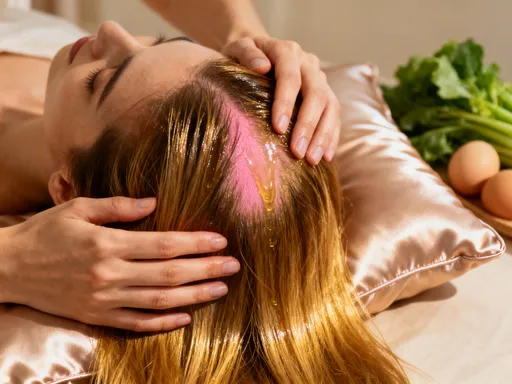
Overnight treatments have gained clinical support for deep conditioning. Applying a mask with ceramides or hydrolyzed proteins and covering hair with a shower cap allows prolonged penetration. One trial found that women who used overnight conditioning twice a week for 8 weeks experienced a 30% improvement in hair strength and a noticeable reduction in frizz. However, results depend on formulation—products with silicones may provide slip but offer limited repair, while those with functional ingredients like panthenol or amino acids deliver measurable benefits.
At-home tools like infrared combs claim to stimulate scalp circulation and improve hair quality. While infrared light therapy has shown promise in clinical settings for promoting hair growth, consumer-grade combs lack the power and consistency of medical devices. Their benefits, if any, are likely minimal compared to proven methods like proper nutrition and scalp hygiene. Instead of relying on gadgets, focus on strategies with documented outcomes: gentle detangling with wide-tooth combs, using sulfate-free shampoos, and avoiding tight hairstyles that pull on the roots. These simple, science-backed habits yield the most reliable results over time.
When to Seek Expert Help: Bridging Self-Care and Professional Guidance
While most hair damage can be managed with proper care, certain signs indicate the need for professional evaluation. Excessive shedding—more than 100 strands per day—sudden texture changes, scalp redness, itching, or patchy thinning may signal underlying medical conditions such as hormonal imbalances, nutritional deficiencies, or scalp disorders like seborrheic dermatitis or alopecia areata. These issues mimic cosmetic damage but require diagnosis and treatment by a dermatologist or trichologist.
Self-care should empower, not replace, professional guidance. Over-the-counter products are not designed to treat medical conditions, and delaying evaluation can worsen outcomes. For example, iron deficiency anemia is a common but reversible cause of hair thinning in women, especially after menopause or heavy menstrual cycles. Blood tests can identify such issues, and appropriate supplementation—under medical supervision—can lead to significant improvement.
Additionally, some hair changes are natural with aging. As estrogen levels decline, hair may become finer, drier, and slower to grow. This is a normal part of aging, not a disease. However, distinguishing between natural aging and pathological loss is essential. A dermatologist can perform a scalp examination, take a detailed history, and recommend targeted interventions. In some cases, prescription treatments like minoxidil may be appropriate, but only after proper diagnosis.
Seeking expert help does not mean failure—it reflects informed self-awareness. Women who combine professional advice with consistent home care often achieve the best outcomes. Education is key: understanding which symptoms warrant concern, knowing when to consult a specialist, and avoiding misinformation from unverified sources all contribute to long-term hair health. Empowerment comes not from quick fixes, but from knowledge, vigilance, and timely action.
Hair rehabilitation isn’t a trend—it’s a science-backed return to strength. By understanding what truly happens beneath the surface, we can move beyond masking problems and start rebuilding. Consistency, knowledge, and realistic expectations are key. With the right approach, healthier, more resilient hair isn’t just possible—it’s within reach.